A target audience is a group of people that a product is aimed at or made for. I need to have a target audience to create my post as it means that i will know what i am allowed to include and what i'm not allowed to include. I also need to think about target audience when creating my post as I need to know what age my opening sequence should be aimed to and this will help me decide what to put in my post and what appeals to that certain audience. I designed a questionnaire which included 10 questionnaires. I asked 40 people about thriller films and I did this in order to find out what most people like in a thrill film and what they would expect to see. I also got
more information about what to include in my opening sequence for instance what weapon the public would want to see most in a thriller film and how they think a thriller film should end. This is going to help me create my opening sequence as I can gain information from the public and apply it to my opening sequence. It has also helped me create an opening sequence that should be thrilling for a particular audience and get that particular audience engaged.
I need to identify my target audience before I create my opening sequence as I need to know what i can and can't include in my sequence. For instance if my audience was mostly around 12 year old's then I wouldn't be allowed to include a lot of violence or swearing as it wouldn't be appropriate for them. I also wouldn't be allowed to include frequent jumpy scenes as it may distress my audience. However if my audience is mostly 15 and over then I would be able to add more jumpy and gory scenes and I would be able to include more violence and highlight the use of weapons more as the older years would not be encouraged to use a weapon in the wrong way where as the younger years might. I also need to consider what specific target audience would like as if my opening sequence is aimed at 15's and over then I can create more of a dark atmosphere and add more unexpected jumpy scenes.
The first question is about gender and from the 40 people I asked, 65% of the people were male while 35% were female. This shows that when making my opening sequence, I need to aim the thriller sequence to men rather than women. This means that my sequence could contain more violence and more gory scenes as men like watching violent and gory films. From my survey, it tells me that more boys like watching thriller films than girls and so my sequence should be aimed more towards the male gender.
The next question I asked was about age. From my research, I found out that the most popular age was 26+ and the least popular age is 12-14. This shows that more adults tend to watch thriller films and this could be because they are above the age limit for thriller films or because they don't become disturbed or distressed with what they see. 12-14 could be the least popular age because a lot of the thriller films made are for 15's and so they could be too young to see them as they contain too many frequent jumpy scenes or there is too much bad language and violence. The scenes could also be quite distressing for people who are aged between 12-14 and this would have an effect on the amount of young people that go to see thriller films. My research tells me that the older years watch thriller films and this could be because they like being thrilled and they enjoy being scared. I am going to aim my opening thriller sequence to people who are 18 and over because this is the most popular age category. 43% of people that I asked are 26+ and 25% are 19-25. Therefore this suggests that my thriller sequence should be aimed the older years as they are more likely to watch it than people who are younger than 18. It also means that I can include more frequent jumpy scenes and include a lot more violence as the older years won't become inflicted by what they see.
From my next pie chart, I can see that the most popular choice in thriller film is Saw and the least popular thriller film is The Conjuring. 29% of people said that they liked Saw best and this could be because it has continuous amount of blood scenes and is very gory. Only a small amount of people liked The Conjuring and this could be because it is a typical, cliche thriller film and the audience expect what is going to happen next. Saw is original and is gory which engages the audience as it is something that the audience haven't see before. The constant use of gory scenes thrills the audience where as The Conjuring is a typical psychological film. This has helped me to plan my opening sequence as I know not to make my sequence cliche or psychological as more people like gory scenes and like being disturbed. The second most popular thriller film was Final Destination and this tells me that the audience like being kept in suspense as Final Destination constantly builds up suspense and leaves the audience in tension as to what is going to happen next. This has helped me when creating my sequence as I also know to add lots of tense scenes and to make my audience feel suspense as they would become more engaged in my sequence. I also need to make my sequence intriguing my adding lots of unexpected scenes just like both Saw and Final Destination has and this would help keep my audience watching the whole of the sequence. I am going to create a more psychological narrative so that it thriller the audience more. I am also going to include a narrative that contains a lot of blood and this will be shown when the victim gets killed.
From my research, I found out that the most popular weapon that the audience would like to see in a thriller film is a knife. 45% of the people that I asked said knife while only 8% said axe. The reason why people said knife is because it is a typical weapon that is shown in most thriller films. A knife creates a dark and sinister atmosphere and foreshadows events that are going to happen during the sequence. When the audience see a knife, they instantly think of death and pain and this leads the audience into thinking that the victim in the film is going to die. Knife is the most popular weapon because it thrills the audience as they know that the knife is used to kill people but it also creates a lot of pain and blood and the audience like seeing this. The next most popular weapon is a saw. 32% said that saw was their favourite weapon and this creates the same affect as a knife because it creates a lot of pain to the person who it being killed by the saw and it also creates a lot of blood which both thrills and engages the audience. Saw's and knives are the most popular choices because they create sinister effects and creates an element of surprise and shock towards the audience. My research has helped me to decide what weapon I am going to use in my opening sequence. In my opening sequence I would want to include a knife as this is the audiences first choice and this would keep my audience engaged throughout the sequence. The knife was the most popular choice and so I know that if I include a knife in my opening sequence then a lot of the target audience would be intrigued to watch my film. The knife is going to be shown when the killer is holding it and about to kill the victim.
My next question is where the audience expect to see a thriller film set. The majority of the audience said a house while some people said a forest or basement. The least popular choice was a graveyard with only 10% of the people saying that. 47% people said house and this is because typically in thriller films, the location is always the house and this is because it is usually an abandoned house, or an isolated house. This makes the victims living in the house seem helpless and makes them an easier target for the killer as the house is isolated which means that nobody can hear them scream. It also creates vulnerability between the victims and shows how there is no escape for them. A house is the most popular choice because it creates a sinister atmosphere and the audience know straight away that something bad is going to happen. A forest is the second most popular choice for a thriller film to be set in and this is also because it makes the victims seem helpless and weak because they are alone and the killer see's the victim as an easy target because of their vulnerability and their naivety. A forest is also a good place to set a thriller film as it is conventional to the thriller genre as there is always a killer hiding in the forest. Setting a thriller film in the forest creates frequent jumpy scenes as the killer appears when the least expected and this puts the audience into the shoes of the vicitm. For my sequence, I am going to set my thriller opening sequence in a house because it shows the victim is alone and makes the victim an easy target. The audience will become intrigued into my opening sequence because the isolated house foreshadows death which will take place later on in the sequence. I am going to include a house shot in our narrative. It is going to be shown at the beginning of the sequence to portray isolation and helplessness.
My next question asks how the audience think a thriller film would end and the most popular answer was victim dies. 70% of people said that the victim dies while 22% said that the antagonist dies. the majority of people said that the victim dies because in typical thriller films, the victim always get murdered by the killer. The victim is seen as a target and during the film the killer's aim is to kill the victim. Most thriller films end with the victim dying which engages the audience as throughout the film they are wondering whether the victim is going to die or not. Some people also said that the antagonist dies and this is also conventional to some thriller films as the victim ends up killing the antagonist. This also engages the audience because the audience have built a relationship with the victim and throughout the film they sympathies and feel sorry for the victim as they are know they are going to die. The audience therefore don't want the victim to die and so instead the antagonist dies. In the survey 0% of people said that no one dies and this is conventional to a thriller film because there is always a death that takes place even if it isn't the pain characters. The death is what creates the enigma and keeps the audience engaged into the rest of the film to find out what happens next. In my opening sequence, I am going to have the victim die so that it creates an enigma as to why the killer wants to kill her. The target audience would watch my sequence as they would know that the victim is going to die but they would be intrigued to find out who killed her and why. In my narrative I am going to include the victim dying as this is what the audience expect to see. It is going to be shown towards the end of the sequence as it creates an enigma throughout the scene.
My survey also told me that 55% of the audience prefer to watch jumpy scenes rather than gory. 45% said gory scenes are better. The audience prefer jumpy scenes as they enjoy being thrilled and they enjoy being scared. Using frequent amount of jumpy scenes engages the audience as they don't expect them to happen. The killer appears when the least expected and this scares the audience but also makes them jump. The audience also like jumpy scenes better than gory as there is a build up of tension before the jump scare takes place. This intrigues the audience as they are left on edge, waiting for something bad to happen and this thrills them but also makes them want to watch the rest of the film. Gory scenes can also be quite disturbing for the audience and cause them distress and the content could be too explicit. In my opening sequence I am going to use jumpy scenes rather than gory scenes because it will engage my target audience more and it will build up suspense more. I also want to include jumpy scenes because more people would be more likely to watch my opening sequence more as jumpy scenes lead the audience into the unknown and scare them when they least expect it. My narrative is going to include more jumpy shots and this is going to be used when the killer appears unexpectedly behind the victim.
The last question of my questionnaire was do you enjoy being thrilled and 97% of the people said yes while the other 3% said no. The majority of the people said yes because they enjoy watching scary films and like the enjoyment of being thrilled. Some of the people may have said no because they may not of liked the frequent amount of jumpy scenes in thriller films or the scenes could be too disturbing for them. This told me that in my opening sequence I should contain typical conventions of a thriller film and contain jumpy scenes to engage and thrill my audience. The majority of my target audience like being thrilled and so this has helped me when planning my opening sequence as I want to thrill my audience and keep them engaged in my opening sequence. I would also want to intrigue my audience into watching the rest of the film and this will be done by using scenes that both scare and thrill my audience.
I filmed some Vox pops of people who took the questionnaire. Vox pops are interviews with the public audience through radio or television. The reason why I filmed them is to get proof that my questionnaire is reliable and true. It gives evidence that I have asked people about thriller films and also lets the viewers see the full description of open answers. In my vox pops, the people getting questioned can give longer and more detailed answers which will then help me when creating my opening sequence as I can see what extra information they have added which can be included in my opening sequence. Vox pops also gave me an insight on what I want to include in my opening sequence for instance the majority of people that took my questionnaire said they would expect to see a female victim or that their favourite weapon was a knife and this makes it easier to plan my opening sequence because it means that I can include these things so that I aim it towards my target audience. Vox pops also help me to understand what the public expect to see in thriller films for example an isolated location or jumpy scenes which means that when creating my opening sequence I can add these things in to engage my audience straight away and intrigue them into watching the rest of the film.
This research has helped me when planning my opening sequence as the questionnaire has been useful because I can see what people like in thriller films and what they would expect to see. This helps me when planning my opening sequence as I would include the things that the audience have said so that when I make my thriller film, it appeals to my target audience. The vox pops have also been useful as when asking open questions, they can give more detailed answers and elaborate on what they are saying. I will incorporate the results of the questionnaire and the vox pop into my own opening sequence as I can see what my target audience like best in a thriller film and what they don't like as much. For instance I would include a knife in my opening sequence because the majority of people prefer seeing knives than saw's or axes. I would also set my location in a house as people like seeing the isolated house and this engages them in the film more because the isolated house foreshadows events that are going to take place. I would also add more jumpy scenes rather than gory because people prefer being scared and jumping at an unexpected scene rather than seeing a scene that contains lots of blood. I know what age to aim my target audience to as the most popular age group was 26+ and so this has helped me when creating my opening sequence as I can include more jumpy scenes and more violence. The research has helped me to apply the results into my own opening sequence and this will appeal more to my target audience because their answers would be in my sequence. If I carried out another research investigation, I would ask the public more open questions so that I can have more detailed answers which would help me more when creating my opening sequence.
The purpose of an opening sequence is to engage the audience into the film. The opening sequence reveals the plot of the film and includes an enigma which straight away makes the audience intrigued as the enigma would make them want to watch the rest of the film so that they can find out what happens in the film. The opening sequence also introduces who the antagonists and the victims are and they set the theme for the film. This engages the audience as they are are led into suspense as to what is going to happen to the victim. During the opening sequence a murder takes place by an unknown person and this builds up tension as to who the murderer is and this also sets the narrative for the plot.
Editing is used in the opening sequence and this is shown through slow editing when the killer is walking around the house. This is conventional as it builds up suspense because the audience don't know who the killer is and when he is going to strike. It also creates tension because the killer could strike when the audience least expect it and this creates shock and surprise as it would make the audience jump when the killer does strike. Slow editing also builds up tension within the audience as it makes the audience feel vulnerable as they have know clue who the killer is and they are frightened for the victims because they know the killer is going to strike however the victims don't. This engages the audience as it keeps the audience intrigued in the film to find out whether the killer is going to kill someone or not or whether the victim will get away. It also intrigues the audience as the enigma makes the audience want to find out the rest of the plot.
Linking of section is also used and this is shown when the camera looks at the victims then follows them and then looks at the bedroom where the victims went. This represents that the killer is following where the victims are going and this implies that the killer now knows where the victims are and shows where he is going to strike. This is conventional to thriller films as it makes the victims seem helpless because the killer is following where they are going and so the victims become trapped which shows that the victims could die. The bedroom suggests that, that is where the killer is going to find the victims and that is where the killer plans to strike. This engages the audience as as it makes the audience worried for the victims because they know that the victims are going to die. However it leads the audience into suspense as to whether the victims are going to die or not and it also makes the audience want to find out who the killer is.
Reaction shot is used when the girl sees the killer and screams. This is conventional because it shows the girls reaction to the killer and it shows that it was unexpected and so this builds up tension and creates thrill because it makes people worried for her as they know she is about to die. This is also conventional as typically in thriller films, the victim never knows when they are going to die and so when they see the killer it comes to a surprise for them and shocks them which engages the audience as they wanted to see how the victim would react and whether they died or not. This engages the audience as the audience feel surprised that the girl is being killed and the audience are also intrigued to find out who the killer is. The audience feel engaged in the film as the audience see from the girls reaction that she was surprised to who the killer was and this makes the audience wonder whether the killer had any relation to the girl and if so why would he want to kill her and this leaves the audience in suspense as to who it might be.
In the opening sequence jump cut is also used and this is shows when the camera focuses on the knife. This is conventional as it straight away makes the audience think that that is what the killer is going to use to murder the victim. This is typical in thriller films because there is always a weapon involved to kill the victim and the camera focuses on the object to foreshadow later events that is going to take place during the film and this makes the audience nervous for the victims because it implies that they are going to die later on in the film. By focusing on the object it also makes the object seem powerful and highlights the object so that the audience focus on that instead of anything else in the room. This engages the audience because they are left in suspense as to when the killer is going to strike and whether the killer murders the victims or just injures them.
Cinematography is also used in the film and this is shown through point of view. Point of view is used when the audience see through the eyes of the killer and so this keeps the killers identity a secret. This is conventional as in thriller films the identity is always kept a secret until right at the very end when they reveal themselves and this keeps the audience engaged as they would want to find out who the killer is. It also creates tension as point of view makes the audience feel like they are the killer and so they feel shock when the killer murders the victim as they feel powerful. This engages the audience as it intrigues them because they can relate to the characters and know how they feel. It also intrigues them as they want to know who the killer and so would want to watch the rest of the film to find out whether the victim dies or not.
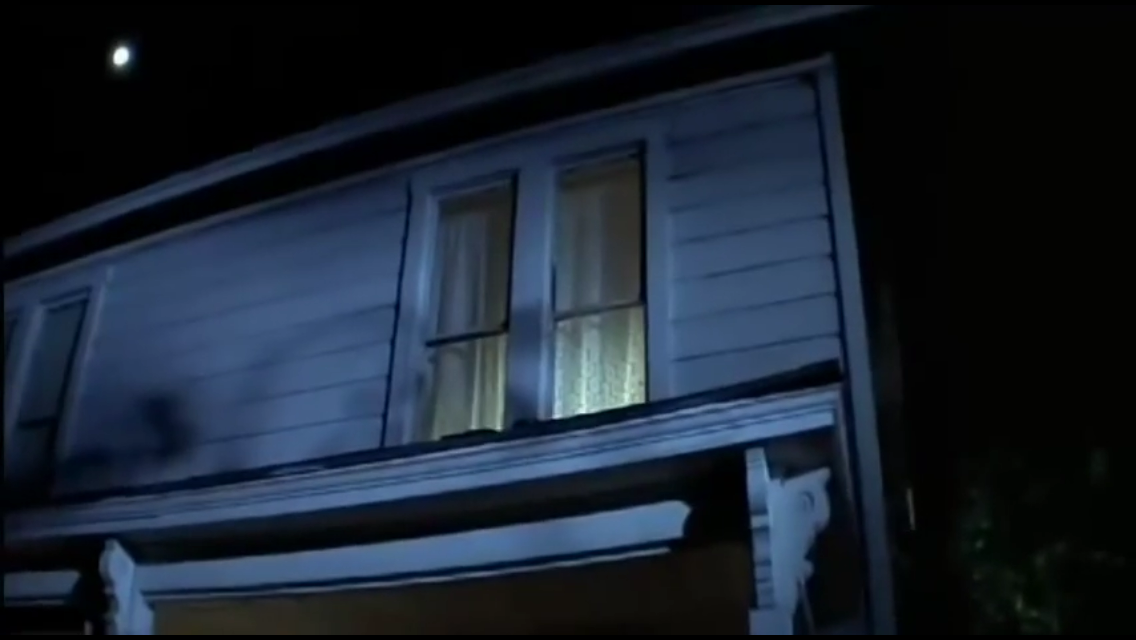
Zoom out is also used when the mask gets pulled off of Michael's head. This is conventional as it creates an enigma as to if the killer is actually Michael or not. It also is conventional to thriller films as it now makes the audience wonder if he is the killer and if so what is going to happen next in the film. Using the zoom out makes the house look vulnerable and make it seem like Michael is the more powerful character because he has apparently murdered someone. The house looks small which implies that its vulnerable and weak and that anything can happen inside the house as a murder has taken place in it. This engages the audience as they now want to know what is going to happen during the film and whether Michael is going to kill anyone else. This leads the audience in suspense as they wonder is Michael is the killer because he is just a child and is portrayed as naive and helpless, this also makes the audience wonder if there is another killer about.
Sound is used in the sequence as non diegetic sound is shown when the kids are chanting Halloween rhymes right at the beginning. This sets the scene of Halloween and sets the time of year. This is conventional to a thriller film because it is set on a spooky time of year which is when people dress up in costumes and so this could hide the identity of the killer. Halloween is also associated with death and blood and so this creates the scene of death and foreshadows what could happen later on i n the film. It increases the spooky atmosphere and straight away sets a dark and mysterious scene as to what is going to happen during the film. This engages the audience as they become intrigued because they know that Halloween is associated with death and so they would want to find out who dies during the film. It also creates tension as to if there is a killer out there because everyone is dressed up in scary Halloween costumes which creates shock as everyone's identity is hidden.
Diegetic sound is shown when the owl is hooting late at night. This also sets the scene for a dark atmosphere and shows that there is silence around apart from the owl which builds up suspense because it makes it seem like somebody is out there. This is conventional to a thriller film because the owl hooting shows that it is nighttime and this is when the killer is ready to strike. At night it makes everything harder to see and s the killer could be anywhere. This is also conventional as usually murders take place at night when everyone is sleeping so that nobody can see the killer, it also makes it seem more spookier as you don't know where the killer is and nobody is around at nighttime so it makes it easier for the killer to kill someone. This engages the audience it builds up suspense as to if there is a killer about. The audience start to become on edge as they feel sorry for the victims because they know a murder is about to happen and the audience find it hard to see whats there and so it leads the audience into the fear of the unknown.
Non diegetic sound is used again when the killer picks up the knife and the mask. The music played is a low beat piano sound which is used for dramatic effect. This is conventional as it signifies that something sinister is going to happen as the music gets lower which portrays the killer. The low music also creates suspense as the audience know that there is a killer about and it makes the audience focus on the knife which foreshadows later events that might take place as the low music is played as soon as the knife is picked up. This is typical to thriller films as low suspense music is played when something bad is going to happen or when a scene is foreshadowing what is going to happen later on in the film and this engages the audience as they become more on edge as they would want to know what is going to happen during the film. It builds up tension as the low key music suggests that the killer is going to murder someone.
Parallel sound is used when the clock is chiming and the killer is walking up the stairs towards the victim. This implies that the killer is getting closer and closer to the victim and this is shown which each time of the clock. This also implies that the victims life is running out of time and the killer is coming to get her. Each chime signifies one step closer to the victim which shows that a death is going to take place. This is conventional to thriller films, as parallel sound is used to show when something sudden is going to happen and implies to the audience that a death is about to take place. It also is conventional to thriller films as it makes the killer seem more powerful and makes the victims seem helpless and vulnerable as they have no escape. This engages the audience as they are left in suspense as they feel worried for the victims as they know their life is about to come to an end and there is nothing the victims can do. It builds up tension and creates a relationship with the audience as surprise, suspense and shock is created and this keeps the audience more on edge and more intrigued to watch the rest of the film.
Conventions is also used in this sequence and one of the conventions shown was low key lighting. This is shown throughout the sequence but particularly when the killer is looking through the windows and when the killer is walking around the house. This already creates a dark atmosphere and makes it hard for the audience to see what is happening which builds up suspense as the audience don't know what is going to happen next. The low key lighting also portrays something sinister and connotes that death is going to happen as the spooky atmosphere suggests that there is a killer about. The low key lighting also leads the audience into the fear of the unknown and suggests that something unexpected is going to happen. This engages the audience as they are left in suspense because the low key lighting creates a dark atmosphere and this foreshadows later events which makes the audience on edge as to what is going to happen during the film. It also creates thrill for the audience because they know something unexpected is going to happen and they enjoy being scared.
Another convention is suspenseful music. As soon as the killer enters the house, tense music comes on. This is portrays that the killer is now dangerous and that the killer is going to murder someone. The tense music makes the audience feel scared because they know that the victims are helpless as they have no escape from the killer. The tense music is conventional to thriller films as it lets the audience know when there is a killer about and it also creates tension as it shows that something bad is going to happen. The tense music keeps the audience on edge as they are intrigued to find out what the killer does. The high pitch noise represents the victims life, and how it is coming to an end and when the music stops it shows that the victim is going to die. This engages the audience and makes them want to watch the rest of the film to find out what is going to happen next. The audience also want to know whether the killer is going to get away with it or whether the killer murders more people.
Iconography is shown when the killer picks up the knife from the draw and also picks up the mask. This shows how deadly the killer can be and how determined the killer is to murder the victims and it also gives away how the killer is going to murder the victims. The mask also makes the audience wonder why the killer has it, but then when the killer puts it on, it implies that the killer identity is kept a secret. The mask also sets the scene of Halloween as it is a costume and so it creates realism and makes the sequence seem more natural which keeps the audience more intrigued
because they would think that the events taking place are actually real. Iconography is conventional to thriller films because there is always a weapon involved which is used to kill the victim and there is always a mask or something that hides the identity of the killer. This engages the audience as they would want to watch the rest of the film to find out who is underneath the mask as it creates suspense as to who the killer is and the audience are engaged to find out whether the killer uses the knife to murder the victims. The audience are left in suspense as to what is going to happen and the sequence is left unexpected.
A female victim is shown throughout the sequence and this is another convention as typically in all thriller films the girl is seen as the victim. Women are seen as helpless and vulnerable and so they are an easy target for the killer. This is conventional as in thriller films, the woman is seen as the victim while the killer is usually a man. This shows the difference between men and women as the man is represented as powerful while the woman is portrayed as weak. This engages the audience as it intrigues them to watch the film to see if the girl actually does die or not and this builds up suspense because the audience want to find out who the killer is and whether the killer is a man. The audience feel sorry for the victim because they know she is helpless and trapped which gives the killer more chance of murdering her.
Representation of characters is also shown through this opening sequence as the killer is implied to be a man due to the camera angles and how he is actually capable of killing someone. However the audience later find out that the killer was actually a boy and this is surprising for the audience as young children are portrayed as naive and weak. The audience wonder why the little boy killed his sister. This is conventional to thriller films as the killer is always someone the audience don't expect them to be and this creates an element of surprise, shock and suspense because the audience are both shocked and surprise that the killer is a young boy. It also built up suspense because the audience were expecting the killer to be someone completely different. By having an unexpected killer it is also shown as conventional as it creates an enigma as to who he killer is and why they murdered people. This engages the audience as it creates thrill for them and also keeps them engaged in the film as they would want to know what happens next to the killer. It also keeps them on edge as suspense builds up to whether the killer was actually ht young boy or not.
Another representation of a character is the female victim. The girl is shown throughout the whole sequence and is also portrayed as naive. The girl is shown to have no clue what is going on and she has no clue that there is a killer in the house. The female victim is portrayed as weak and pure as she is wearing white clothing which instantly makes her seem like a helpless victim while the killer is wearing a mask to hide his identity. The female victim portrays her innocence by the way she is brushing her hair in the sequence and doesn't know she is about to get killed. This is typical for thriller films as the girls are always targeted for the ones to get killed while the males are shown as powerful and so are never the ones to get killed. The girl is also alone in her bedroom which makes her seem even more helpless because nobody will be able to help her and nobody will hear her scream. This is also conventional to thriller films as typically the girl is always shown to be on her own before she gets killed to show her vulnerability and to show that nobody can help her and so she is implied as weak. This engages the audience as they can relate to the character and feel worried for her because they know she is going to get murdered. The audience build up a relationship with the character and they are kept on edge as to whether the female victim is going to die or whether she will survive.
Finally narrative is shown through this opening sequence as an innocent girl become the victim of a murder. She was brushing her hair at the time when she gets stabbed to death by an unknown killer. This is conventional to thriller films as typically in thriller films a murder always takes place by a masked killer. This is so the killers identity is hidden and creates an enigma to who the killer is. This engages the audience as they are intrigued to find out what happens to the killer after the murder and they are engaged to watch the rest of the film to find out what happens next. The audience are left in shock as they don't know who the killer is. By having a murder at the beginning of the opening sequence it means that the audience are intrigued to see if there are any more murders and it creates an element of surprise and suspense as the audience are left on edge because the murder was unexpected.
The brother was also dressed in a clown costume and this is shown at the end of the opening sequence when the parents pull the mask of the costume and underneath is Michael. This straight away creates an element of surprise and shock as the audience didn't expect the brother to be under the mask and this leads to assumptions that Michael is the killer. However this creates surprise and suspense because the audience actually wonder if Michael was the killer or if there was another person in the house. The costume also sets the theme of Halloween and creates a dark atmosphere but also makes the sequence seem scarier. This is conventional to a thriller film as an enigma has built up and in thriller films, the killer is exposed but there is a plot twist. This makes the audience more engaged in the film as they would want to find out whether Michael is actually the killer or whether there is someone else. It also makes the audience wonder why Michael killed his sister if he was the killer. This leads the audience into the unknown and intrigues them into watching the rest of the film so that the mystery unravels and the audience actually find out who the killer is. This keeps the audience in tension because they have no idea what is going to happen next.
To conclude a thriller film has to include an opening sequence so that it builds up tension within the audience as an enigma is created which makes the audience want to watch the rest of the film so that they know what happens. All thriller films need a murder or something unexpected in their opening sequence to engage the audience straight away and make them relate to the characters or make them feel like they are part of the scene. In the opening sequence there also must be a masked figure so that the audience are left in suspense as to who the person might be and this would make them want to watch the rest of the film to find out who the killer is. The opening sequence needs to appeal to the audience and make them feel sympathy for the characters in the film and this is done by clearly pointing out who the victim is. In my opening sequence I want to include an enigma to leave the audience into suspense as to what is going to happen and lead them into the unknown. I would also want to include a suspenseful music to intrigue my audience and make them feel scared for the events that are going to take place. I also want my audience to feel an element of shock, surprise and suspense and this will be done by as the music which portrays that the killer is coming for the victim. Finally I want to add slow editing to make a scene more dramatic and to build up tension as the killer is approaching the victim. This would keep my audience engaged but also imply that the victim is helpless and vulnerable.
Conventions of thriller are used to show the audience what they might expect to see. They are used throughout the film to create suspension and keep the audience engaged. Convention are very important for the opening scene as they need to intrigue the audience and they set both the narrative and the setting. There are many typical conventions for a thriller film, such as a death and an unknown killer. These two things are always shown in thriller films and keep the audience engaged to find out what happens during the rest of the film. Conventions in thriller films are always cliche as you need dark lighting to set a dark atmosphere however the conventions also make the plot seem unexpected and the jumpy scenes are always used when the audience least expect it. Types of conventions that you would expect to see in thriller films is jump scares, lots of blood from both the victim and the killer, weapons and a male antagonist and female victim. These are typical conventions that the audience would expect to see when watching a thriller film.
The film Annabelle is an example of a film that contains lots of conventions of thrillers. Annabelle is about a couple that are expecting a baby. The husband gets his wife a doll for the baby, however one night everything goes wrong and supernatural things start taking place. The couple walk into the room with the doll to find that it i covered in blood. The doll has been said to be a demon and the couple try to stop the doll from hurting them. In the film, there is a scene where the wife is eating dinner and she goes to turn off the music but then it turns on again. She walks around the room and becomes spooked out by a shadow in the window. As she goes to look it in, a girl runs out. The girl comes running at her but then disappears.
During this scene low key lighting is used when the wife is in her house on her own. This instantly makes the audience think that the women is vulnerable because she is alone and is already seen as a victim which shows that something bad is going to happen to her. The idea of her being alone suggests that no one can hear her scream and she is in an isolated place which implies that she can't get help and this creates a dark atmosphere because she is seen as weak and unprotected which means that the killer can strike at any point and she will be helpless. This is conventional as the low key lighting makes it hard to see the rest of the room which intrigues the audience as they would want to know if she actually is alone or not. This is typical for a thriller film because the victim isn't usually alone and this creates tension straight away as the audience wonder what is going to happen during the film. The audience are engaged as it builds suspense whether she is alone or not. The audience are also intrigued to find out if or when the killer is going to strike.
The setting is also conventional as the camera shows the rest of the house. The camera follows the house round and shows dark corridors and a dark loft. This shows that everywhere is dark which emphasises the fact that she is vulnerable and weak. The dark corridors also make it hard for the audience hard to see what is there and so this creates enigma. This is conventional as the dark rooms suggest that something is lurking there as the shadows from the lighting make is seem like someone is standing there. There is also a build up of tension as the audience are waiting for something to jump out and so are left in suspense. Dark rooms are conventional for a thriller film as they create vulnerability and make it seem like something is going to happen. Thriller films always show the location to set the scene. They also always have locations that are in isolated areas to stop the victim from escaping and this is conventional as it implies to the audience that a death is going to take place. This engages the audience as the house makes it seem like anything or anyone can be there and the audience are left in suspense to see if anyone is in the house. The killer will also strike when the audience least expect it which engages the audience as it creates a sense of thrill.
The scene also contains shadows and this is shown when the wife is turning of the music and she sees a shadow in the corner of her eye. The shadow looks like a figure and so it gets the audience wondering whether it is a person or something else. The shadow creates a dark and mysterious atmosphere as the audience start to become worried as to what it could be. This is conventional as it makes the scene seem more serious and sinister as the girl was meant to be alone however the shadow implies that she isn't and so gets the audience on edge as to what to expect. This is conventional to thriller films because there is usually an unknown character that no one knows about or can see, it makes the film seem less of a cliche as the audience don't know when something bad is going to happen. This engages the audience as they are left in suspense to find out whether the shadow is a person or something else. The audience get put in the victims shoes as they feel worried for the victim because they don't know if the shadow is a killer and so they are worried that a death is going to take place. They start to feel worried just like the characters do and this builds up tension as the person gets closer to the shadow.
Tense music is used in the scene and this is shown as the curtain is opened and the women falls on the floor. A girl runs past which is when the tense music is used. This is conventional as it builds up suspense and the tense music suggests that something bad is going to happen. The music also creates a sinister atmosphere as the audience know now that there is a girl in the house and this makes the audience worried for the character as the girl could be anywhere. The tense music also created a jumpy scene which was unexpected and kept the audience on edge. This is conventional to thriller films as they always include tense music to make the audience jump and to suprise them with something unexpected. The audience are now scared as they know the girl is in the house and so they are expecting a death scene. This engages the audience as they got an element of surprise and shock as they didn't expect the girl to come running out. The tense music leaves the audience in suspense as to what is going to happen next and so it intrigues the audience as they enjoy being thrilled.
The scene contains slow editing and this is shown when the wife is walking around the room and she turns around to find the girl staring at her. This is conventional as it builds up tension as she walks around the room , the audience don't know what to expect and are surprised to find the girl standing there. This creates an element of shock and makes the audience jump to find the girl there. Slow editing is also used as it symbolises that death is waiting for her and it creates suspense as the audience know that she is going to die, The slow editing makes the killer look more powerful than the wife as the wife stares at the killer hopelessly.
This is conventional as the wife is seen as powerless and hopeless while the killer is getting ready to attack and the audience can see this through the slow editing. This engages the audience as they become scared for the character because they can see the killer is determined to attack but the audience wait nervously as to when the killer is going to strike. The slow pace editing makes the audience sit in suspense as they have no idea what is going to happen and the slow pace editing makes the wait seem even longer as it builds up tension. The audience also feel intimidated by the little girls scare and the slow pace editing means that the audience have to wait longer for the killer to attack and this puts the audience in the characters position as they know what the character is feeling like at that moment in time.
To conclude, conventions of a thriller are used to create surprise, shock and suspense as they keep the audience engaged in the film. Conventions of a thriller help the audience to understand what is going on in the film and to show them what they mighty expect to see in the film. Conventions of a thriller create tension within the audience as they make the audience jump when they least expect it. Conventions of a thriller also create a dark atmosphere for the audience as typically in thriller films, there is low key lighting and set in an isolated area where nobody can hear you scream. In my sequence I would include an isolated setting so that it makes the victims seem more vulnerable and helpless. It also creates an ideal location for a killer to strike because the victims can't escape and so are trapped which means that the killer is more likely to capture and kill the victims. I would also include an enigma so that the audience are left in suspense as to what is going to happen during the film. It would also intrigue the audience more as there would be a lot of scenes in which the audience didn't expect and they would want to watch the film to find out who the killer is. Finally I would also want to add camera techniques of point of view shots and this would make the audience feel more involved in the film and they can also relate to the characters in the film as they would understand how they feel. It would also build up more tension and suspense as to if anything is going to jump out. The audience can feel empathy towards the characters as they would be in their shoes and know how scared they feel.
Editing is used in thriller films to create shock and build up suspense foe the audience. It helps the audience to understand what is going on during the film and makes them aware of who the victim and who the antagonist is. Editing techniques make the film more exciting and more thrilling as techniques such as slow editing create suspense and fast editing makes a killing scene seem more dramatic. Editing can be used throughout the film and is used to get the right timing. Editing helps build up tension as it makes the audience aware when the antagonist is approaching and this builds up suspense within the audience. The audience need to become intrigued in the film and editing helps to do this by creating suspense and making the audience jump when they least expect it. Editing is also used to create themes of shock, surprise and suspense as it helps to create dramatic tension and leave the audience wondering what is going to happen. Editing is also used to control the emotions and reactions from the audience as fast editing gets the audience more excitable while slow editing is used to create more tension within the audience.
The film strangers is about a couple who live in a isolated house in the middle of no where. The couple soon get some unwanted visitors who plan to kill the couple. During the film, the couple try and find ways of hiding from them but are unsuccessful and the "Strangers" manage to kill the the husband and a friend of the couples. The wife is left with wounds all over her and the film ends with her trying to stay alive.
In the film, there is a scene where the strangers get hostage of both the husband and wife and they stab both of them. The scene also shows the women trying to get away at the end and making her way towards the ringing phone.
In the scene, reaction shot is used when the masked antagonists bring out the knife and the camera shows the wife suddenly crying and screaming.
This is conventional because it shows that that the two victims are scared and they know that something bad is going to happen to them as they can both see the masked people holding the knife.
This creates suspense as both the characters and the audience know they are going to get stabbed and so the audience are left waiting to see when they get stabbed. Typically in thriller films, the character always reacts to weapons being pulled out and this shows that the murder was unexpected and the characters didn't know about the killer. Reaction shot is also conventional to thriller films as it makes the victim seem even more vulnerable as it shows that they can't do anything about it and they are shown as helpless. This engages the audience as they feel nervous for the characters because they know the victims can't get away and they are left in suspense as to what is going to happen to them next. This creates shock and suspense for the audience.
Shot reverse shot is also used in this scene and this is shown when the camera shows the masked people and then back onto the victims. This is conventional as it represents the more powerful characters. It also shows the victims as vulnerable as they are held hostage while the masked people are looking down on them. Shot reverse shot also creates a mysterious scene as the masked people aren't talking which creates suspense as to who is actually under the mask. This is conventional to thriller films as the killer always hides their identity and this creates tension within the audience as they would want to know who the killer is. Shot reverse shot is conventional as it shows the difference in characters and implies who are the victims. It also shows how much power the antagonists have over the victims and make them seem helpless and vulnerable. This engages the audience as they don't want the victims to die and they are intrigued to find out what happens between the characters. The audience are put into the victims shoes as the camera looks up at the antagonist in the victims point of view and so the audience feel just as scared as the victims do. This creates an element of surprise and shock for the audience because they can relate to the victim and so whenever something sinister happens this affects both the audience and the victim. Shock is also created as the audience feel threatened by the killers and so become more relateable to the victim and this creates shock as when something bad happens to the victim then the audience feel their pain and feel sympathy towards them.
Jump cut is shown when the masked people take off their masks and the camera focuses on all the masks lying around. This is conventional in thriller films as typically before th killer strikes, they take off their masks to show their identity. However the camera hasn't shown the killers and this creates suspense as the audience are still waiting to find out who the killers are. The jump cut makes the audience focus on the mask which intrigues the audience more as now the victims know who is going to kill them. The jump cut also distracts the audience from looking at anything else in the scene and this is conventional as it shows what is important in the clip. This is conventional in thriller films as the camera always focuses on weapons such as guns or knives which are used to kill the victim. This engages the audience as they are intrigued to know who is under the masks and they would want to watch the rest of the film to find out if they see the killers. Shock and suspense is created for the audience because an enigma is created and the audience don't want the victim to die. The audience feel threatened by the killers and this creates an element of shock for the audience when the killers take off their masks but can't see their faces. It creates a more tense moment for the audience as they know that the situation has now turned serious and the victim is about to get killed. This also shows an element of suspense because the audience are left wondering who the killers are and whether the victims know them or not. It makes the audience carry on watching the rest of the film to see whether the killers are actually revealed to the audience.
In the scene, linking of shots is used when the wife gets stabbed and the camera shows the garden and the outside of the isolated house. The camera focuses on the empty road and trees. This implies that the house is isolated and that no one is around which is conventional as it shows that nobody can hear you scream. The empty roads relates to how the couple is alone in the middle of nowhere which is shown as the perfect spot for a murder to take place. This is conventional to thriller films as in thriller films, the victims are always in an isolated area so that nobody can get help when the person is about to get killed. It also represents how the victims are helpless and how they are vulnerable because nobody can hear them scream. It also makes it the ideal place for killers to strike their victim as they are trapped which makes the antagonist more powerful and have more chance of killing the victim. This engages the audience because they feel sympathy towards the victims as they don' want them to die and it creates tension as to whether they are going to die or not. The audience also feel sympathy towards the characters as they know they are helpless and there is nothing that the victims can do to save themselves. This editing technique also helps to create shock for the audience because they now know what the killers are capable of and the audience start to wonder whether the victims are going to die. The audience are left in shock and are also surprised as they begin to feel even more threatened of the killers as they know that the killers are capable of murdering someone. This gets the audience on edge as they feel as though they are the victim because they have built a relationship with the victim and so they understand how the victim is feeling and can relate to their emotions and reactions.
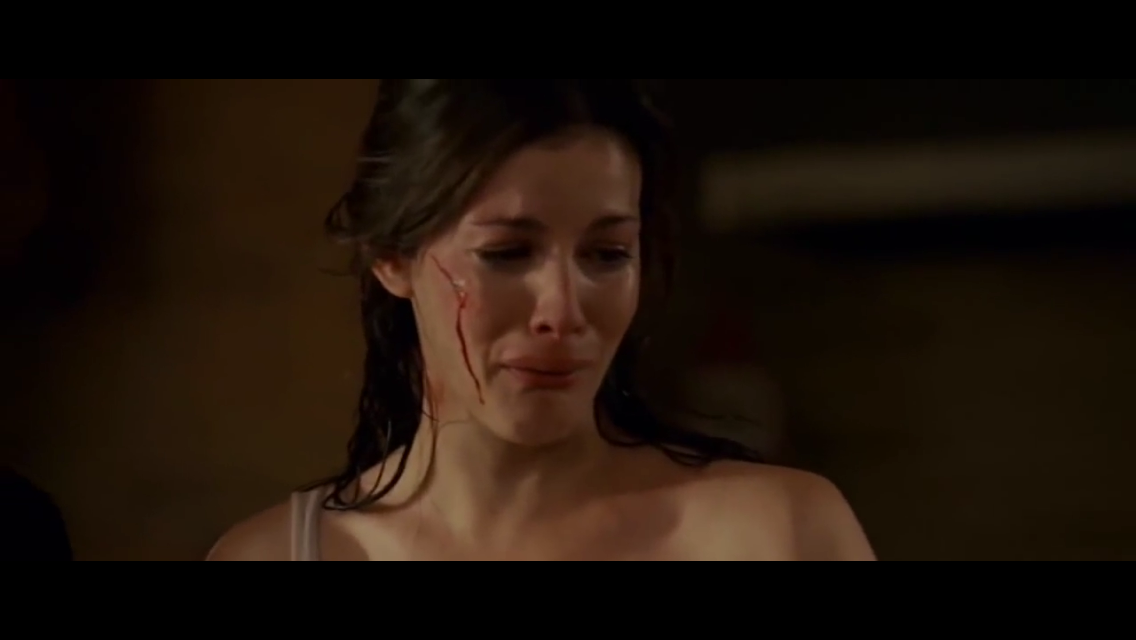
Finally, slow pace editing is used when the girl wakes up and hears the phone ringing and tries to make her way towards the phone. This is conventional as it shows that the victim hasn't died yet however the audience wonder how the victim is still alive due to the amount of blood left on the victim. The slow pace editing foreshadows her death and shows that her time is running out as she is struggling to make it to the phone. This engages the audience as they are surprised she is still alive. However she is shown as weak and helpless and the audience wonder whether she is going to die or not and this builds up tension as they don't know what is going to happen to her but are left on edge as what is going to happen next in the film. The audience are also intrigued as they want to know whether she makes it out alive and if anyone is going to help her and so they carry on watching the film to see what happens next. This editing technique creates shock for audience as they are surprised she is still alive despite the amount of blood on her. The audience feel sympathy towards her because they want her to survive where as they want to the victim to die.
To conclude, editing is used to create surprise, shock and suspense and it helps the film to create tension within the audience. Different editing techniques make the film more dramatic and scarier which creates unexpected jumpy scenes for the audience. Editing techniques are used to outline important features within the sequence and make the audience focus on certain objects to create more tension. It also outlines the victim and the antagonist by using linking of scene techniques and by using timing of shots. These editing techniques are used to create elements of shock and surprise and help to make the audience jump. Editing is conventional in thriller films as it makes the thriller films more unexpected but also makes the victims seem helpless which creates suspense within the audience as to what is going to happen to the victims during the film. In my sequence, I would include linking of shots as this means that the audience can understand what is happening in the film but also get an idea of how helpless and vulnerable the victims are. This engages the audience as the audience begin to feel sympathy for the victims as they know that they are helpless. I would also include jump cut as it helps the audience to focus on certain things in the shot such as a weapon or a person and this also helps to build up tension as the audience know when something bad is going to happen and so they feel suspense as to when the killer is going to strike.
Sound is used in thriller films to create suspense in the film. It leads to a build up of tension as the audience waits on what is going to happen next. Sound is used to engage the audience by creating thrill for them. Different uses of sound can either make a scene happy or scary and this is used a lot in thriller films as long pauses and silent scenes can build up to something bad happening. As well as that, low background music is used to portray that there is a killer around and this leads the audience into suspense as to when something sudden is going to happen. Sound is also used to exaggerate a scene and make something more thrilling that it actually is. Sound portrays each of the characters and builds up excitement within the audience.
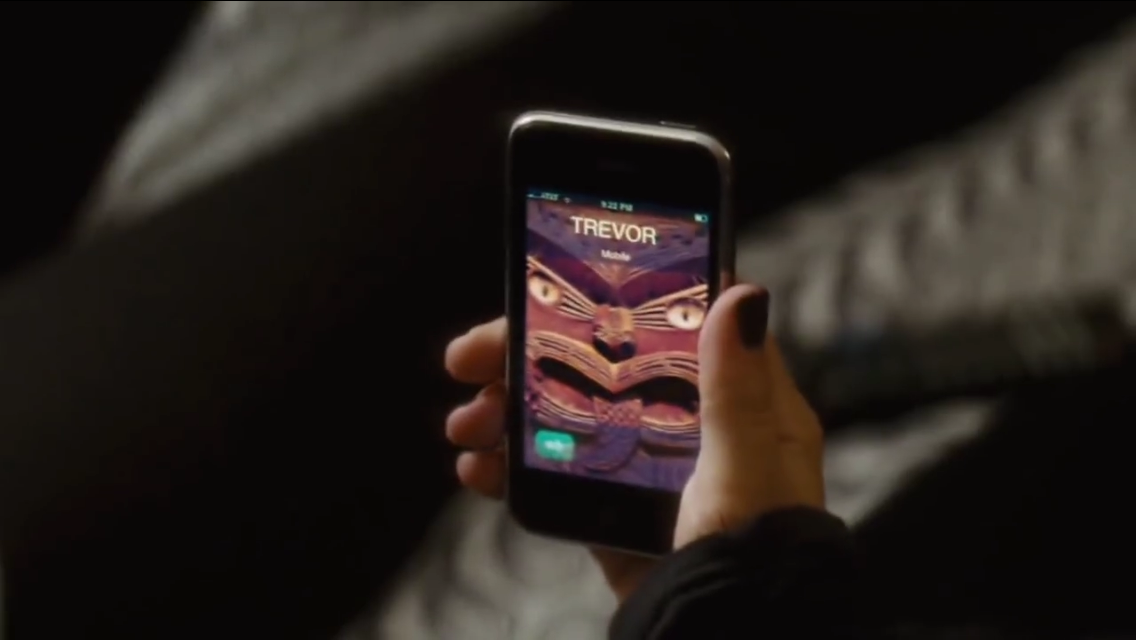
In the film "Scream 4", a scene takes place in a girls bedroom and two girls Jill and Kirby receive a phone call from someone who isn't Trevor, who is Jill's boyfriend. Another girl, Olivia, is in the house opposite and suddenly the grim reaper come out of no where and kills her while the two other girls watch from the house opposite.
Scream uses sound as in the scene off screen sound is used when the phone rings and a voice speaks that isn't Trevor. When the phone says, Trevor, the audience relax a little bit but the are kept in suspense when they find out the voice isn't Trevor. This is conventional as it builds up tension because the audience don't know who it is on the phone.
The audience automatically start to worry for the girls as they know that something bad is going to happen because the voice is unknown and so creates an unknown figure. This is convent
ional to thriller films as there is always an unknown killer which makes the audience wonder who it is throughout the film. Thriller films contain a lot of characters which are mysterious as it makes scenes unexpected whenever the unknown person attacks. This engages the audience because the audience would want to know who is ringing up and they would automatically think that something bad is going to happen because the voice is low and scary which portrays a killers voice. The audience are left in suspense as to what is going to happen next. 0.02 - 0.47
The scene also uses non-diegetic sound. This is used when the low music is played when the unknown voice on the phone says that hes in the closet. This is conventional as the music builds suspense because the low music suggests a much serious mood than before. The low music also represents the killer is around which makes the audience more on edge as to whether the killer is actually in the closet. The low music also makes the scene seem a lot less happy than it was before and the audience soon realise that it isn't a joke anymore. This engages the audience because the music creates thrill for the audience as they would want to know whether someone is in the closet. The audience would be intrigued to watch the rest of the scene as suspense has built up to whether the girls are going to open the closet. 1.13 - 1.23
Parallel sound is used when the music gets louder and lower as Kirby makes her way towards the closet. The music getting louder and lower suggests that the girls are getting close to the killer and the low music portrays the killer while the more happier music before portrayed the girls. By making the music get louder is builds up a lot of suspense as it suggests that death is getting closer. This is conventional as in thriller films, music is meant to build up suspense as a character is about to die. The high pitch music in the background suggests the vulnerability of the girl as the low music is overpowering the high music which shows that the killer can easily murder her. It also shows the audience that she is going to die and this is conventional because the vulnerable characters always die. This engages the audience as the audience think that someone is going to die and that someone is in the closet and this gets the audience ready to jump because they think that someone is in there. The music makes the audience feel worried for the characters because they know that someone is in there and they know whats coming and so it creates thrill for the audience. 1.26 - 1.45
The scene also includes silence and this is shown when Kirby opens the closet and no one is in there. This automatically makes the audience wonder where the killer is and creates more suspense as to whether the killer is in the room or not. This is conventional as it builds up suspense for the audience however no one was there and so the audience start to relax. This is used a lot in thriller films as they want t o create suspense and then make the audience relaxed so they think that nothing is going to happen. However the killer then shows up unexpected which suprises and scares the audience. The silence is used as it shows that the killer is about to strike but keeps it unexpected as the music has stopped which makes the audience think that nothing is going to happen however it just builds up more suspense as the audience don't know when the killer is going to strike. This engages the audience as the it leads them into the unknown as what is going to happen next and this makes the audience nervous for the characters because they don't know when the killer is going to attack. The audience also are left in tension as to whether the killer is in the room or not.1.46 - 1.51
To conclude, sound is used to build up suspense as the audience know when something bad is going to happen as the music gets louder. Sound also shows when the killer is about as the music gets lower which portrays the killer while the high pitch sounds shows that its the victim. The high pitch sound can also make a scene seem happy but also show the innocence and vulnerability of the victim. Sound is played over scenes to make them seem more thrilling and the audience are left in suspension when silence occurs as they don't know when the killer is going to attack. The killer strikes unexpectedly and this makes the audience jump. The sounds used also keep the audience on edge as the sound is what makes the film scary and jumpy. Thriller films always use sound as a way to engage the audience as it keeps them in suspense but also scares them when they least expect it. In my sequence i would like to use non diegetic sound to create a dark atmosphere this is because non diegetic sound builds suspense towards the audience as they are waiting to find out what is going to happen next. I would also add silence to add create tension as the audience have already expected something bad to happen but the silence suggests that the killer hasn't murdered the victim yet and so this builds up tension within the audience to find out when the killer is going to strike. I am also going to use parallel sound as this implies to the audience that something sudden is going to happen and so they are left in suspense as to what is going to happen. It also creates a sinister effect which makes the movie even more thrilling and scary.
Mise-en-scene is split up into 5 categories, setting and iconography, lighting and colour, costume hair and makeup, facial expressions and body language and positioning of characters. Mise-en-scene is used to provoke certain meanings that the audience might not of seen. It is also used focus on certain things in the clip for instance an object that the audience might not pick up on or a character that could be seen as unimportant.
In the film, "Insidious" a scene is shown where Quinn Brenner, who is the girl that notices strange things, is sitting in her room texting a boy. During the scene, she knocks on the wall and there is a knock back. She texts the boy, who is her next door neighbour but soon finds out that he isn't at home and she finds it stranger that she heard a knock back.
The audience see the girl turn the light off and suddenly a pair of hands come down and touch her.
In the clip, low key lighting is constantly used and this is shown when the girl is sitting in her room. The only lighting is coming from her lamp and her phone, but the rest of the room is dark. This is conventional to a thriller film because it creates a dark atmosphere and makes the audience wonder if there is anything or anyone else in her room. It also creates suspension as the lighting makes it hard to see the room and so it leads the audience wondering what is going to happen next. This engages the audience as low lighting shows that something bad is going to happen to the girl and so they are left in suspense for when something unexpected is going to happen. The audience can also relate to the character as both the characters and the audience don't know if someone is in the room or not and they both at the moment think that she is alone, however the low key lighting makes the audience have doubts whether the girl is actually alone or not. The key light in this scene is the lamp next to her bed and this creates the main source of light to make sure the audience can see the person on the screen. The back light is the fairy lights on her bed which helps creates shadows around the room and makes the room seem dark and mysterious and the filler lights is the lamp right at the back of the room which helps balance out the lighting as a whole. This makes sure the audience focus on the main person however it also shows what is at the back of the room and creates tension as to who is in the room. Using these types of lighting makes the room seem dark and makes it hard for the audience to see the room however the lighting also is focused on the girl in the room so that the audience can see her facial expressions and see how she reacts to the situation.
The facial expressions used in the scene shows the girl looking flirtatious. In the scene, the girl is texting her next door neighbour who is a boy. When she is texting the boy, the facial expressions on the girls face sh
ows that she may like him as she is acting flirty, however when she finds out the boy isn't next door, her facial expression changes to more of a shocked face. This shows that she thinks something is wrong and that the situation is no longer a joke but it is actually serious. This is conventional to a thriller film as the facial expressions are meant to be shocked and scared as the characters in a thriller film don't know what is going on and so are scared for what is going to happen next. Her shocked facial expression engages the audience as the audience now know that she is scared and so they also feel scared for her because they know that something bad is going to happen and so it leads the audience into suspension as to who is banging on the wall. The audience can also tell that the girl is no longer joking around and so this builds up tension because the situation has changed to serious.
Quinn is positioned in the middle of the screen throughout the whole time in the scene and this shows that he is the main character. It also makes the audience focus on her instead of anything else in her room. It is conventional to have the main character in the middle of the screen in a thriller film as the audience would automatically think that something bad is going to happen to them and they could be the one that gets hurt or could die. It is also conventional as the film would revolve around them and the audience would know who to look at. This engages the audience as they concentrate on the main character and they can feel worried for her as they know that something bad is going to happen to her. It also means that the audience can focus on her facial expressions and her body language which builds up tension as when the character feels scared then the audience would feel scared. Quinn is shown to be in the whole image on the camera and so this creates tension because the audience are so focused on her that they don't know when the demon is going to attack and where it could come from and so when it does attack then this creates an element of surprise as it was unexpected. For example, in this scene, the demons hands come down and grab her from the ceiling, however Quinn takes up the whole shot and so the audience were surprised when the hands came down and grabbed her as they didn't expect it. This creates a thrill but also makes the audience jump.
Iconography is also used in this scene as Quinn is on her phone texting a boy. The phone is key to this scene because it gives away that t
he boy isn't actually next door but instead someone else was banging on the wall. This is conventional as it creates suspense for the audience as to who is next
door. The phone is also conventional because it leads the audience into the fear of the unknown as to who might actually be behind the screen and whether there is someone in the room. This engages the audience because they are worried for the girl and it keeps them intrigued in the film as they would want to know if something happens to the girl. when the boy says hes not next door, the audience are automatically drawn more towards the film as this creates tension because it leads them guessing whose responding to the girl and this creates a thrill for the audience.
The setting of the scene is in Quinn's room which is shown to be dark. The room is conventional because it shows a naturalistic place for a thriller scene to be set as bedrooms are realistic. The bedroom also gives a sense that the girl is alone which makes the girl more vulnerable and gives the killer more access to her. By setting the scene in the bedroom is means that the audience wonder if she is really alone and the low lighting of the room creates more suspense as the audience can't se
e around the room. The audience feel as though someone is in the room as the shadows in the room make it seem like shes not alone. The girl seems vulnerable as she is on her own and the door is shut which makes the exit seem even harder to get out of which also creates the feel that someone is in the room. This is conventional as the bedroom makes it seem like a no exit room which is what the killer wants. In thriller films, the victim usually finds it hard to get out of a room which is where the killer can strike. The room is also conventional as the darkness and the shadows make the room seem creepy to the audience and the audience know that someone is in there, while Quinn doesn't and this makes the audience scared for her. This engages the audience as they audience would want to find out what happens during the scene.
Costume is also used in this scene as Quinn is wearing white pj's. This makes the scene more realistic as the scene is set at night in her bedroom and so the clothing makes the scene seem more real. The clothing is also white, the colour white symbolises purity and innocence and that makes the girl seem more vulnerable to getting killed. The girl is shown to be pure which suggests she is the victim but also innocent which tells the audience that she doesn't know what is happening during the scene. The colour white is conventional to a thriller film as the victim is usually dressed in white to show innocence and vulnerability while the killer is usually dressed in black to hide identity and to show mystery to its character and this gets the audience engaged as they would want to know who the killer is. Costume engages the audience because the colour represent what is going to happen in the film. Quinn is wearing white and so the audience would automatically assume she is the victim and so would want to watch the scene to find out what happens.
To conclude, Mise-en-scene is used in thriller films is to create emotions at certain points of the film and make the audience feel tense or nervous. The point of mise-en-scene is to get a feel of what the characters might be feeling and this is used throughout the scene as the audience is constantly left not knowing what is gong to happen next just like the characters in the scene don't know what is going to happen. It is also used to outline certain things in the scene which could be a key element of the scene. The scene is used to thrill the audience and to build suspense for them and mise-en-scene is used to create this as certain aspects make the scene more scarier than it is for example lighting which is a key element when making thriller films. Mise-en-scene builds up both tension and thrill as the audience are left to find out what happens next. Mise-en-scene is used to create the three elements of surprise, shock and suspense and this is shown throughout the clip of insidious as the audience felt suspense during the scene as to what was going to happen during the scene. There was also an element of shock when the boy texted back saying he wasn't next door and this straight away makes the audience feel worried for the character.